Essential Homeowner Safety Skills Every New Homeowner Should Know

Welcome Home — Now Learn to Protect It
Becoming a homeowner is a huge milestone — but with ownership comes responsibility, especially when it comes to safety. As a firefighter, I’ve seen how a little knowledge can prevent major disasters. Whether it’s shutting off a gas leak or knowing how to use a fire extinguisher, these are basic skills every homeowner should master. This guide covers essential safety tasks and the tools to make them easy, so you can protect your home, your family, and your peace of mind — starting today.
✅ 1.
How to Shut Off the Main Water Valve
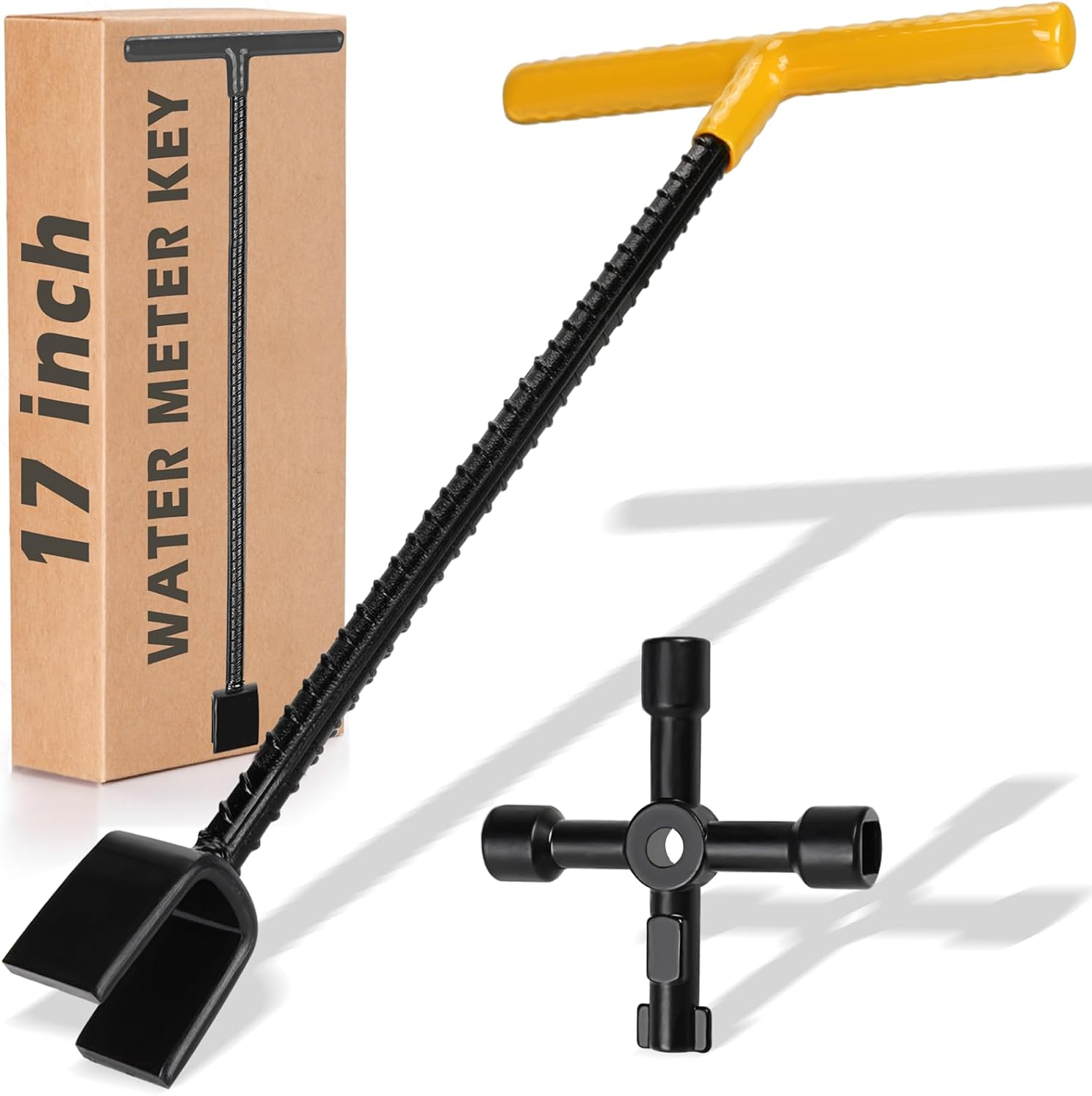
Knowing how to shut off your home’s water supply can prevent serious damage from burst pipes or leaks. Locate your main water valve — it’s usually near the perimeter of your home, in a basement, crawl space, or outside by the meter box. Turn the valve clockwise until it stops. For outdoor meters, you may need a water shut-off key, which is inexpensive and easy to use. Keep it accessible for emergencies.
🔗 Recommended:
Water Shut Off Valve Key – For outdoor meter boxes
🔥 2.
How to Shut Off the Gas Meter
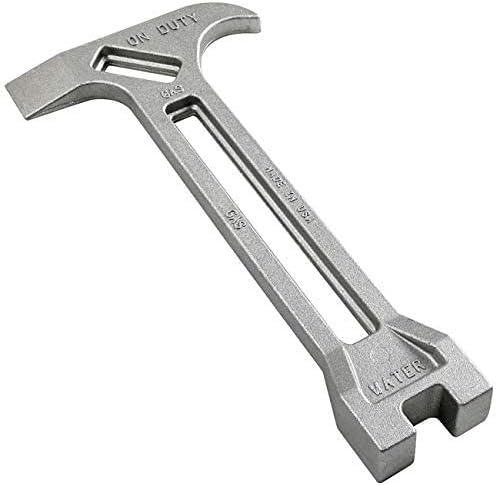
If you smell gas or suspect a leak, acting quickly can prevent a fire or explosion. Find your gas meter — usually located on the exterior of your home. Use a gas shut-off wrench to turn the valve 90 degrees (a quarter turn) until it’s perpendicular to the pipe — this fully stops the flow. Only shut off the gas in emergencies, and never turn it back on yourself. Call your gas company to restore service safely.
🔗 Recommended:
🛑 3.
How to Test and Replace Smoke Detectors
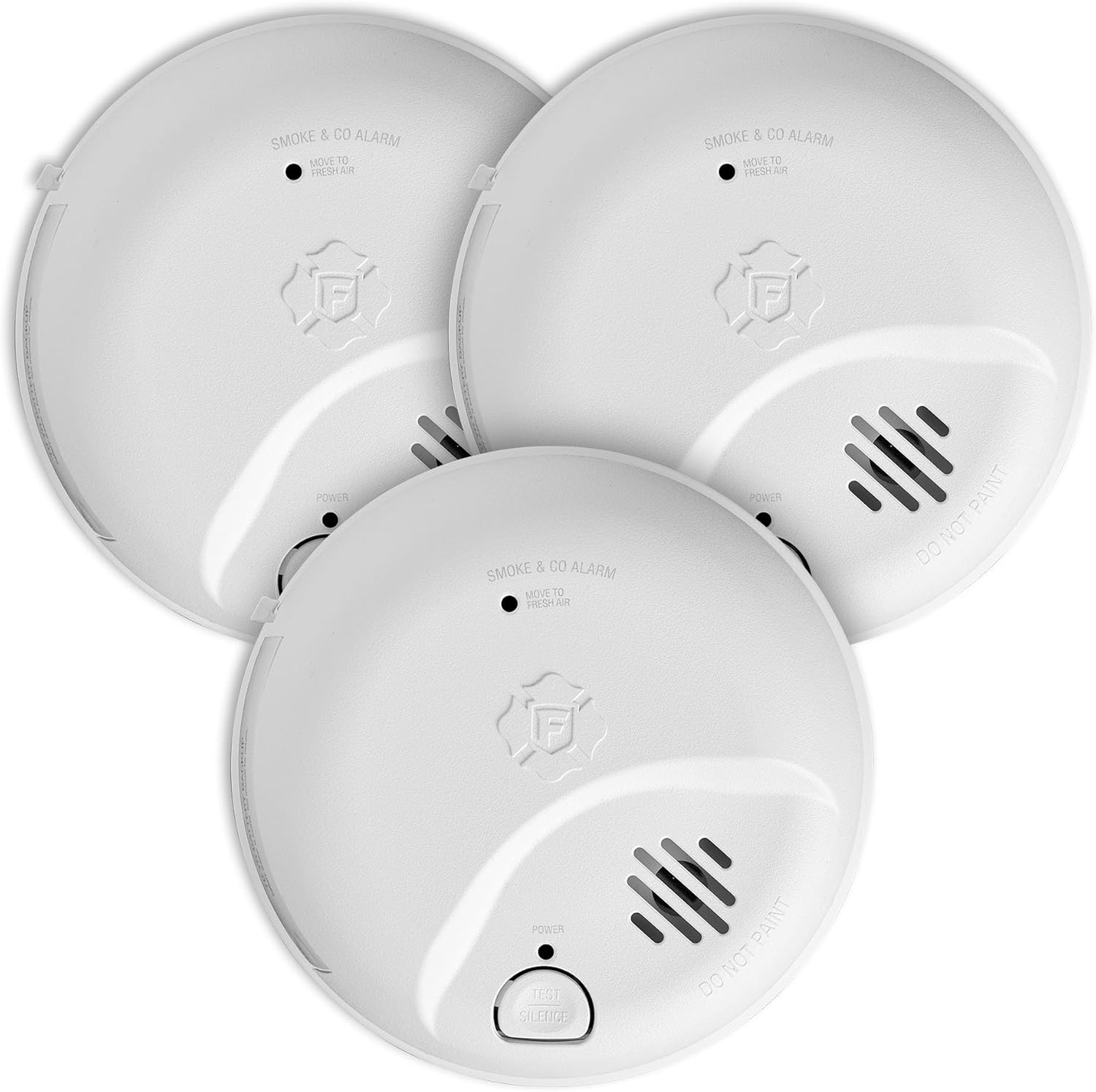
Smoke detectors are your first line of defense in a house fire — but only if they’re working. Test each detector monthly by pressing the test button until it sounds. Replace batteries at least once a year (unless it’s a 10-year model), and replace the entire unit every 10 years. Be sure to install detectors on every level of your home, especially outside bedrooms and in sleeping areas.
🔗 Recommended:
First Alert 10-Year Smoke and CO Detector Combo
🧯 4.
How to Use a Fire Extinguisher (PASS method)
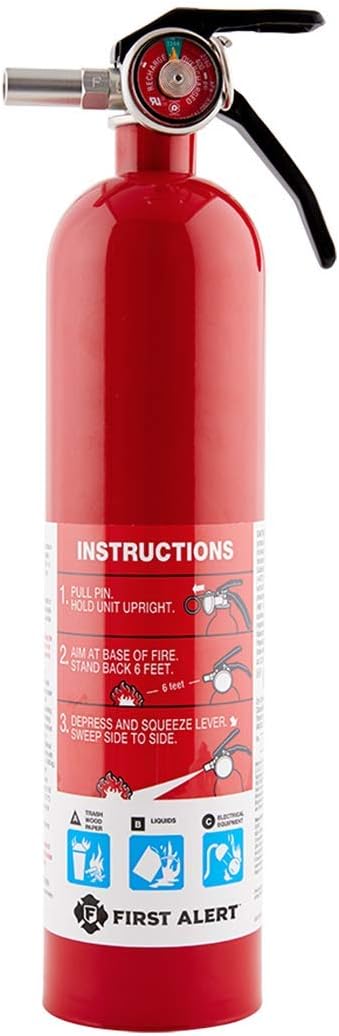
Every homeowner should have at least one fire extinguisher — and know how to use it. Place one in the kitchen, garage, and laundry room. To operate it, remember the PASS method:
Pull the pin,
Aim at the base of the fire,
Squeeze the handle,
Sweep side to side.
Check the pressure gauge monthly and replace extinguishers every 10–12 years.
🔗 Recommended:
First Alert HOME1 Fire Extinguisher
🔦 5.
How to Kill Power at the Breaker Panel
In emergencies like electrical fires, flooding, or shock hazards, you may need to cut power fast. Locate your main breaker panel — often in a garage, basement, or utility room. Open the panel and look for the main breaker (usually a large switch at the top). Flip it to the “off” position to shut off power to the entire home. Keep a reliable flashlight nearby for visibility during outages or late-night emergencies.
🔗 Recommended:
Flashlight with Magnetic Base and Hook (for panel work)

🚪 6.
How to Create a Home Escape Plan
Every family should know exactly what to do if a fire breaks out. Start by drawing a floor plan of your home and identifying two exits from every room. Choose a meeting spot outside — like a mailbox or tree — and practice your escape plan twice a year. Teach kids how to stay low under smoke and feel doors for heat before opening. Consider adding glow-in-the-dark exit signs or escape ladders for second-story rooms.
🔗 Recommended:
2-Story Emergency Fire Escape Ladder

🧰 7.
Basic Safety Gear Every Home Should Have
This all-in-one emergency kit by EVERLIT is designed by U.S. military veterans to keep you prepared for natural disasters like earthquakes, hurricanes, or power outages. It includes a tactical flashlight, hand-crank radio, multi-tool, first aid supplies, thermal blanket, and more — all packed into a compact, waterproof MOLLE pouch. Whether you’re building a go-bag or boosting your home’s emergency readiness, this kit covers the essentials in one grab-and-go solution.

🏁 Final Thoughts: Be Ready Before You Need to Be
Homeownership comes with more than a mortgage — it comes with the responsibility to protect what matters most. By learning these essential safety skills and investing in a few critical tools, you’re taking proactive steps that could save lives, prevent costly damage, and give you peace of mind. Whether you’re a first-time homeowner or helping someone settle into their new place, these tips are practical, easy to follow, and truly life-saving.
 Firefighter Safety Picks